Positano on a Budget
If you have seen Positano on Instagram and assumed it is only for honeymoon budgets, the instinct is understandable but incomplete. Positano is expensive in the hotel, beach-club, waterfront-lunch version. It is much more manageable in the hostel, free-beach, bakery-lunch version. In 2026, a disciplined day can still come out around €85–€120, while the classic hotel-plus-lido day can jump to €250–€350+ without much effort. That gap exists because Hostel Brikette's dorms currently start from €66.50 per guest, Positano does have free public beach areas, and low-key food still exists if you avoid the obvious waterfront spend.
This is the key point: Positano is not cheap, but Positano on a budget is possible. The town feels impossible only when people price the polished version first and the backpacker version never. Accommodation also moves a lot by date and room type, so treat every number here as a realistic working range, not a universal promise.
How much does Positano cost in 2026?
Here is the working budget I would use for a 20-something traveler trying to do Positano properly without pretending it is Naples-cheap:
Hostel bed: from €66.50 per guest at Hostel Brikette. Rates vary by date and room type.
Tourist tax: €2.50 per guest, per night.
Food budget: roughly €15–€30 if you keep breakfast simple, eat one cheap lunch, and avoid turning dinner into a full waterfront event. Brikette's direct booking pages advertise free breakfast and drinks; Collina Bakery is listed in the € price tier, and a recent Positano.com review put its pizza slices at about €4–€4.50 each; a more normal sit-down meal at Il Fornillo averages about €30; beachfront Incanto averages about €65 before drinks.
Beach cost: €0 if you use the public sections of Spiaggia Grande or Fornillo. If you want paid loungers, Lido L'Incanto's last posted rate card showed roughly €35–€50 per person per day depending on row and season.
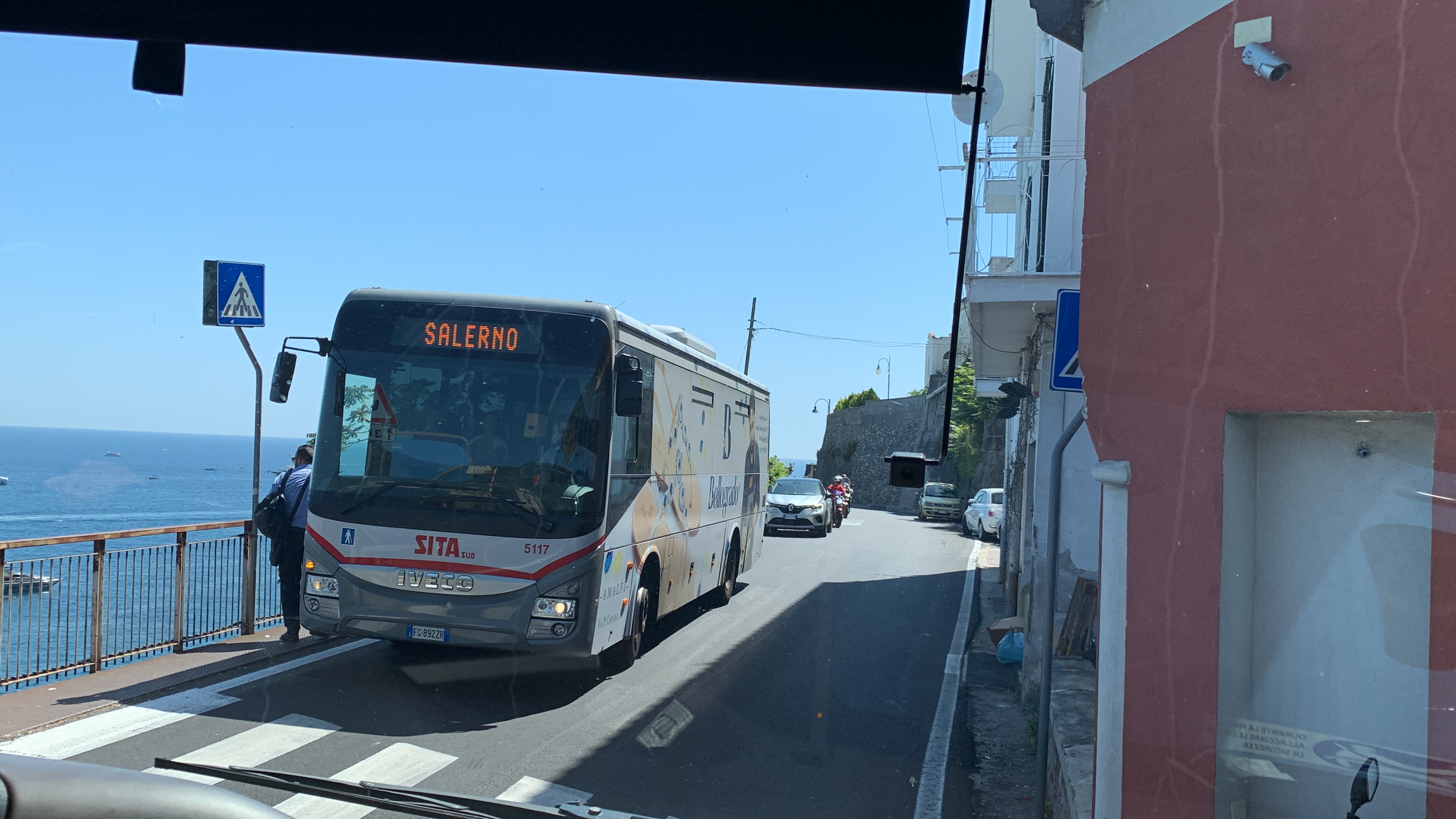
Transport between towns: Amalfi–Positano is €2.60 by SITA bus or €10 by Travelmar ferry; Salerno–Positano is €17 by Travelmar ferry.
Put that together and the budget-traveler version of Positano lands at about €85–€120 a day if you sleep in a hostel, use the free beach, walk a lot, and keep one meal cheap. That is still not bargain travel. It is simply far less absurd than the version most people imagine.
Is Positano expensive?
Yes. But it is expensive in very specific ways.
Hotels are what make Positano feel financially hostile. Booking's Positano hotel results are currently showing properties from US$257, and that is before you start paying for beach beds, ferry hops, cocktails, or a beach-facing meal. The second cost trap is the serviced beach setup: the free beach exists, but the paid version gets expensive fast. The third is food once you sit in the "you're paying for the location now" part of town. Incanto, right on Marina Grande, averages €65.
That is why the answer to "is Positano expensive?" should really be: hotel Positano is expensive; hostel Positano is manageable. The town itself has not changed. The spending pattern has.
A budget day in Positano
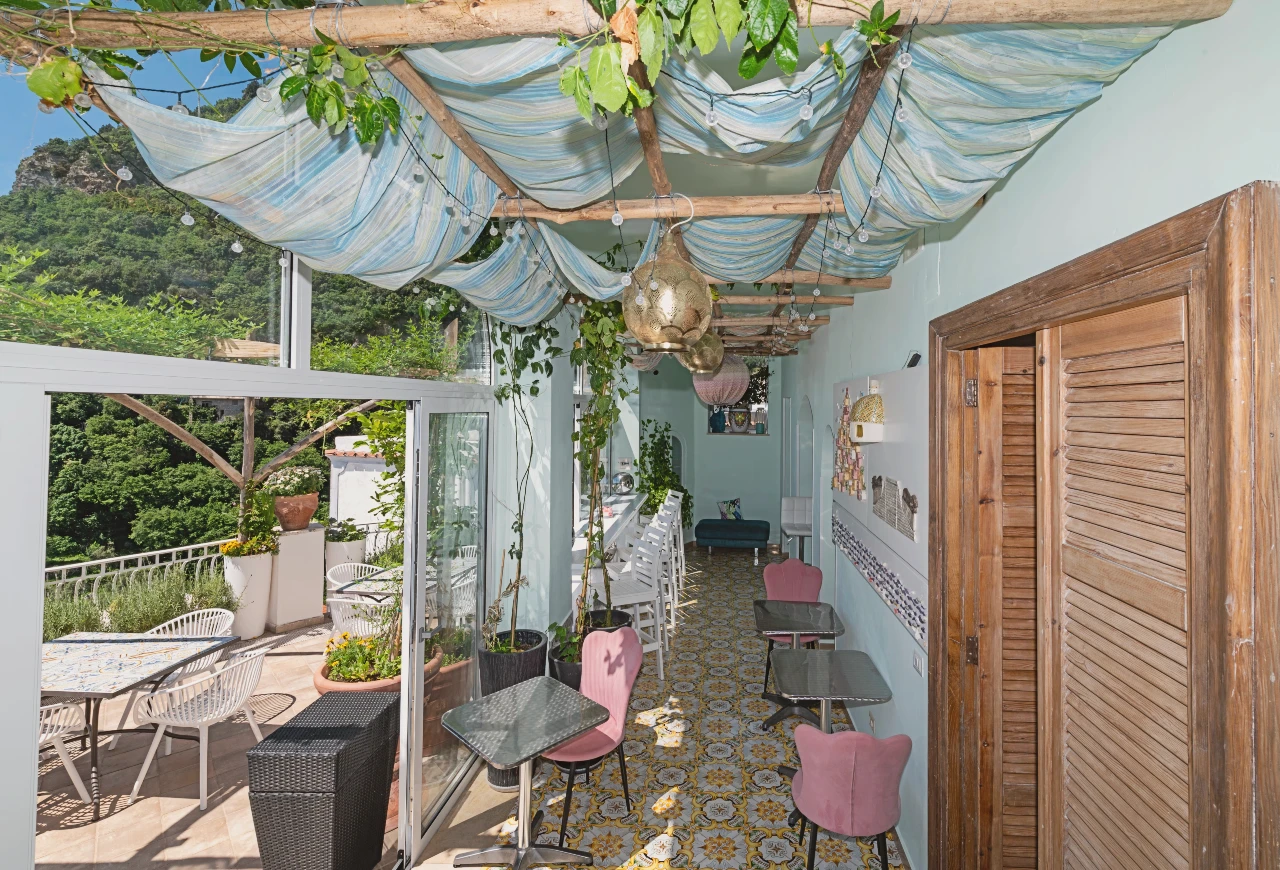
The budget version of Positano starts with the right base. Hostel Brikette positions itself as Positano's only hostel, says it is 100 m from the SITA bus stop, and advertises cliff-top terraces plus free breakfast and drinks on direct booking. In a town where carrying a bag the wrong way can become its own minor event, that matters.
The honest downside is that Positano is still Positano. You are dealing with hills, stairs, and a vertical layout. Budget travel here is not about eliminating friction. It is about paying for the right things and refusing the wrong ones.
Spend the morning on the free beach
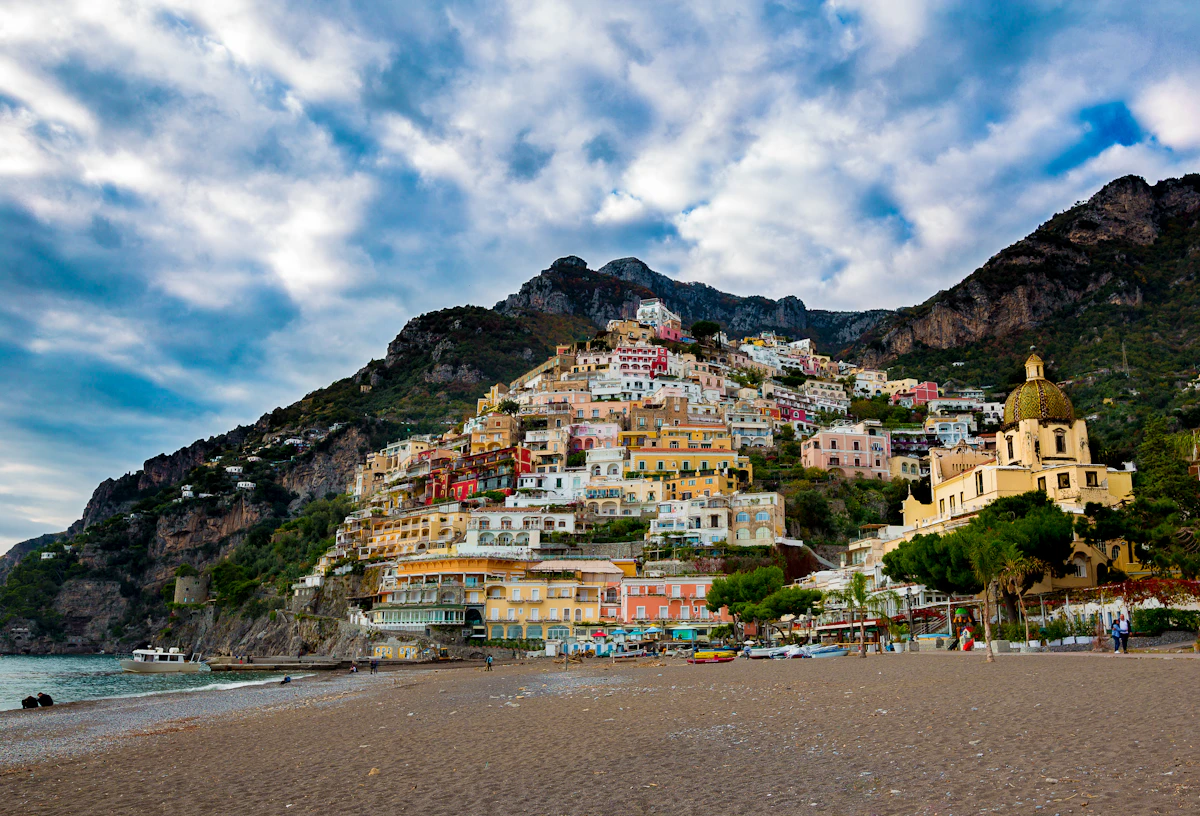
This is the simplest Positano budget move and one of the best. Spiaggia Grande has a free public area. So does Fornillo, though Fornillo's free section is more limited. The catch is obvious: public areas fill quickly, especially in summer weekends and August, and the beaches are small compared with what a lot of first-time visitors expect. Think pebbles, not a huge sweep of soft sand. Go early and it works. Go late and you end up paying because you ran out of patience.
Eat a cheap lunch on purpose
Budget travelers usually do not get into trouble at breakfast. They get into trouble at "we'll just grab something down there." That sentence is how a cheap day turns expensive.
A better move is to keep lunch at bakery or takeaway level. Collina Bakery is listed by Positano.com in the € price range, and a recent guest review there described the lunch pizza slices as about €4–€4.50 each. That is the right Positano budget logic: something quick, good enough, and not pretending every meal has to be a performance. Once you shift into a regular sit-down restaurant, even a much more moderate place like Il Fornillo averages around €30.
Use the afternoon for a free viewpoint or walk, not a paid setup
Positano gives away a lot of its best value for free: the vertical streets, the look back over the bay, the light changing over the houses, the staircase walks, the small pauses above the sea. You do not need a private boat or a beach club reservation to get the visual part people actually came for.
That is the mental shift that makes Positano on a budget work. You are not trying to imitate the high-spend version at a discount. You are doing a different, cheaper, and in some ways better day.
Keep aperitivo hour under control
This is where people lose discipline. One drink is fine. A full beach-club sunset session is not a budget move.
L'Incanto's last posted beach rates were €35–€50 per person just for the bed setup, and Incanto's current TheFork average is €65 before drinks. Even the water line on that menu is €4.50. In other words, you can burn a serious part of your daily budget while convincing yourself you are only "having a relaxed hour by the beach."
The cheaper version is obvious: keep the aperitivo modest, or push it back to the hostel terrace, where the social part survives without every detail being monetized. Brikette's direct-booking pitch explicitly leans on free breakfast and drinks for exactly this reason: in Positano, small included extras change the math more than they would in cheaper towns.
End the night on the terrace
This is the part Instagram gets right, just not the pricing model. You do not need a luxury hotel to get the evening view. You need the right base and the discipline not to keep relocating yourself to more expensive versions of the same atmosphere.
That is why the hostel version of Positano works for solo travelers, study-abroad students, gap-year travelers, and small groups. You still get the sea, the light, the cliffside effect, and the social energy. You just stop paying hotel prices to access them.
The tourist trap day that costs about three times as much
Here is the expensive version many first-time visitors accidentally book:
You sleep in a hotel instead of a hostel. You go down late and end up paying for a beach bed because the free section is already full. You eat lunch right on Marina Grande. You add a ferry or taxi leg because it feels easier in the moment. Then you do sunset drinks somewhere with a view, which in Positano usually means you are also paying a location surcharge.
The numbers are not subtle. Start with hotel listings from US$257, add a €35–€50 beach-bed setup, then a €65 average beachside meal, and possibly a €10 Amalfi ferry or €17 Salerno ferry on top. That is why Positano has its reputation. The expensive version is easy to fall into and hard to escape mid-day.
Positano budget tips that actually matter
Book the right accommodation model, not just the right destination. The difference between a dorm from €66.50 and hotel inventory starting from US$257 is the whole game.
Use the free beach, but go early. The public sections are real, but they fill up.
Keep at least one meal at bakery or takeaway level. That is how you stop lunch from becoming a €30–€65 decision.
Prefer buses to ferries when the goal is saving money. Amalfi–Positano is €2.60 by bus versus €10 by ferry.
Expect prices to swing by date. Positano punishes late decisions more than cheaper cities do.
Is it cheaper to stay in Naples and day-trip to Positano?
On paper, yes. In lived reality, only sometimes.
Brikette's own Naples-to-Positano public transport guide prices the cheapest route at about €7.20 one way: €4.60 for Circumvesuviana from Naples to Sorrento, then €2.60 for the SITA bus to Positano. The same guide says to allow about 2.5–3.5 hours total depending on connections and waiting time. That means a same-day return is roughly €14.40 minimum in transport and a large chunk of the day gone before you count fatigue, crowds, or missed connections.
So yes, Naples can be cheaper if you only care about accommodation cost and want a single look at Positano. But if the actual point is to swim early, linger into sunset, and experience the town when the day-trippers thin out, sleeping in Positano is usually the better budget decision than commuting in and out from farther away.
Where to stay if you want Positano without hotel pricing
For this specific style of trip, Hostel Brikette is the natural answer. It calls itself Positano's only hostel, puts itself 100 m from the SITA stop, and advertises free breakfast and drinks on direct booking. That does not make Positano cheap. It makes Positano possible for the kind of traveler who wants the town itself, not the hotel status version of it.
The honest version is still this: you are choosing a hostel in a famously expensive cliffside town. There will be stairs. There will be crowds in peak season. And even your "cheap" day will probably cost more than a cheap day in Naples, Salerno, or Bari. But if your goal is to actually stay in Positano rather than just photograph it and leave, the hostel model is what changes the equation.
Tips
- Book Positano accommodation early in peak season — with only one hostel in town, beds go fast.
- Travel in shoulder months (April–May, late September) for lower prices and fewer crowds.
- Track expenses in a notes app; splitting shared costs daily keeps groups aligned.
FAQs
Is Positano expensive?
Yes, but mainly if you do it the hotel-and-lido way. In 2026, Brikette dorm beds start from €66.50, while Booking's Positano hotel search is currently showing hotels from US$257. That is why the destination feels wildly different depending on whether you book a hostel or a hotel.
How much should I budget per day for Positano?
For a hostel, public-beach, cheap-lunch version of the town, €85–€120 per day is a realistic working budget. That estimate is built from Brikette's current dorm starting rate, the €2.50 tourist tax, free public beach access, and modest food choices instead of waterfront meals.
What is the cheapest way to eat in Positano?
Bakery, takeaway, or one modest sit-down meal. Collina Bakery is listed in the € price tier, and a recent Positano.com review put its pizza slices at about €4–€4.50 each. That is dramatically safer for your budget than defaulting to waterfront dining, where restaurants can average €30 or €65 before drinks.
Is the beach free in Positano?
Partly. Spiaggia Grande has a free public area, and Fornillo also has a smaller free section. The problem is not access; it is timing. These spaces fill quickly, especially in summer weekends and August.
Is it cheaper to stay in Naples and day-trip to Positano?
Usually yes on pure accommodation cost, but not necessarily on total effort. The cheapest public route from Naples centre is about €7.20 one way, and you should allow roughly 2.5–3.5 hours depending on the connection. For a quick look, that can make sense. For a fuller Positano day, it often feels false economy.