Stay Fit in Positano: Stairs, Trails & Beach Workouts
Stay fit Positano without paying for gym access: the village's 1,700+ stairs, coastal hiking trails, and pebble beaches function as free outdoor training zones. Most workouts require zero equipment beyond water bottles and trainers you already packed.
Best for backpackers, hostel guests, and budget travelers who want to maintain fitness routines during multi-day stays. Not ideal if you need structured gym classes, heavy weights, or climate-controlled facilities—Positano's fitness culture is informal and outdoors-first.
Costs: entirely free except optional kayak rentals (€15–20/hour) or hotel gym day passes in Sorrento (€15–25 if you want air-conditioned treadmills). Timing matters: schedule intense stair sessions before 9am or after 6pm to avoid midday heat and tourist crowds on narrow pathways.
Stair workouts: your free vertical gym
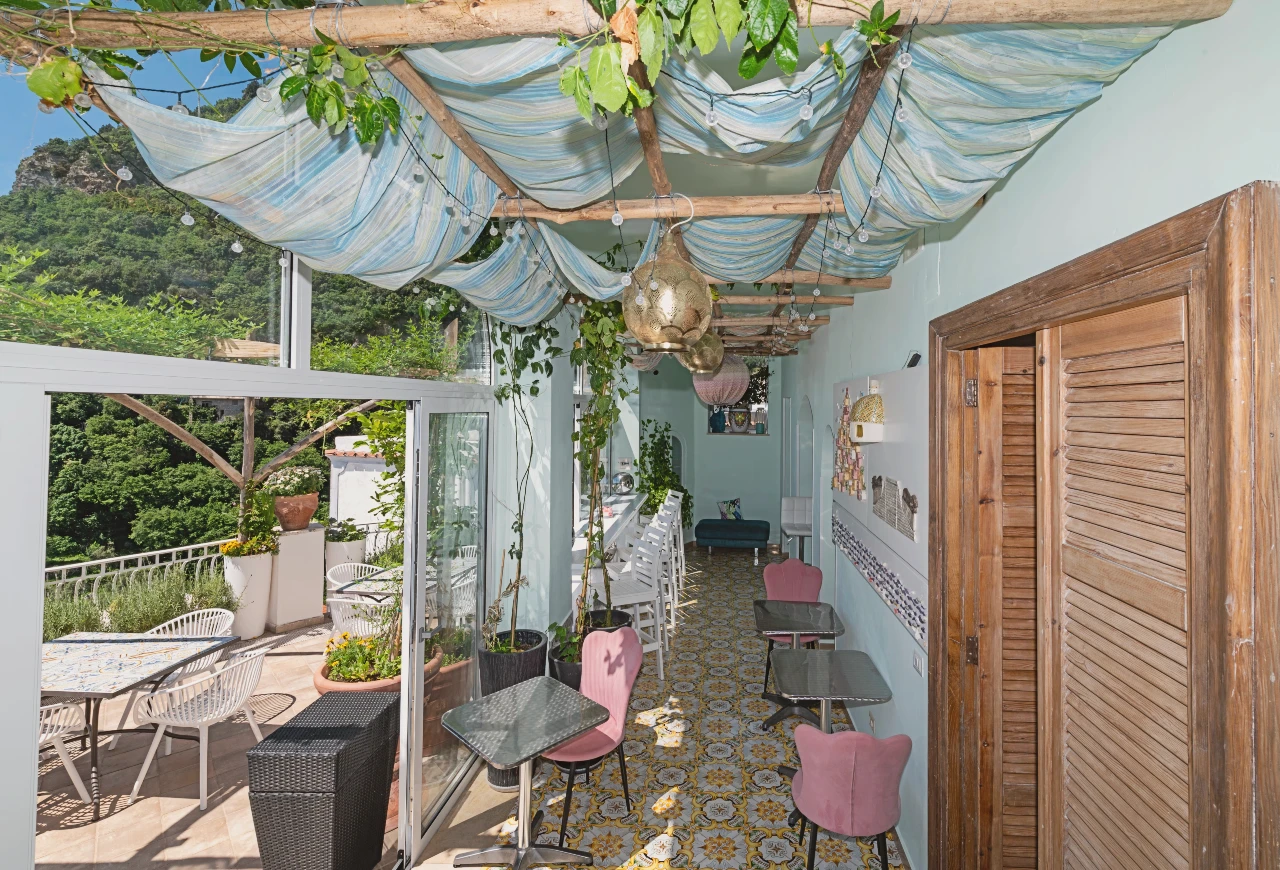
Positano's staircases deliver leg strength, cardio, and calorie burn without a monthly membership. The 500+ steps between Spiaggia Grande and Chiesa Nuova climb 85 vertical metres (279 ft) and take 12–18 minutes at moderate pace—perfect for interval training before breakfast.
Mix in interval bursts: two minutes brisk climbing (targeting 70–80% max heart rate), one minute rest or slow descent, repeated five to eight times. From the hostel, we see guests doing early-morning stair circuits before 7:30am to avoid crowds and heat; bring a 750 ml water bottle and a small towel.
The Arienzo Beach staircase offers 300 steps down a clifface—high-intensity descents for eccentric quad training. Descend slowly (three seconds per step) to build strength; the climb back up becomes your cardio finisher. Use handrails on the narrowest sections near the top.
Safety: stairs are uneven in places and slippery when wet. Wear trainers with good grip (not flip-flops). Carry your phone for emergencies, especially on less-traveled routes like the Nocelle staircases. Rest one full day per week—constant steep climbing can strain knees and Achilles tendons if you overdo it.
Outdoor training spots: beaches & terraces
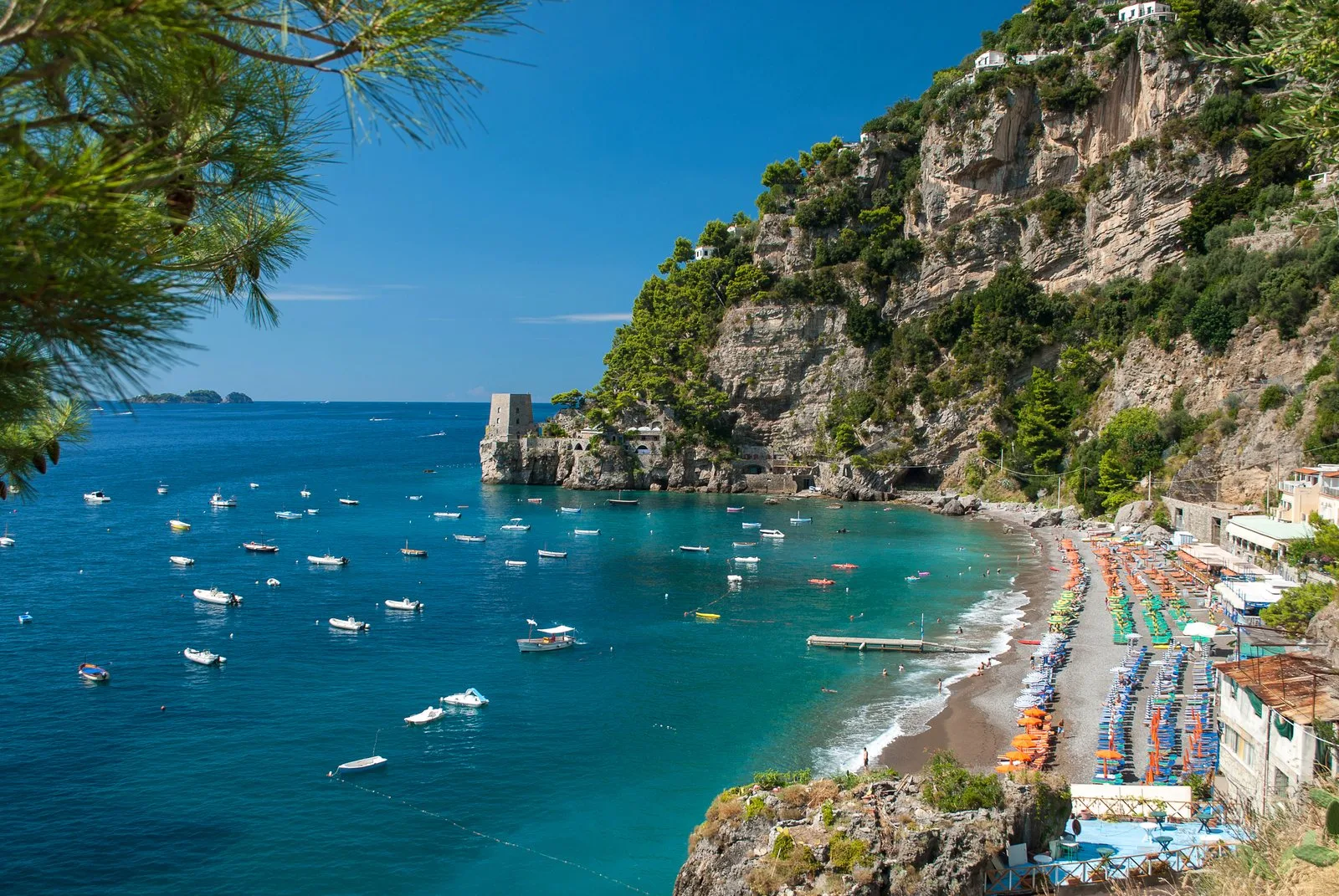
Fornillo Beach works well for bodyweight circuits—squats, push-ups, planks, burpees on the sand. Arrive before 9am when the beach is nearly empty; bring a thin travel mat or towel to cushion the pebbles during floor exercises. The western end near the cliffs is quieter if you want privacy.
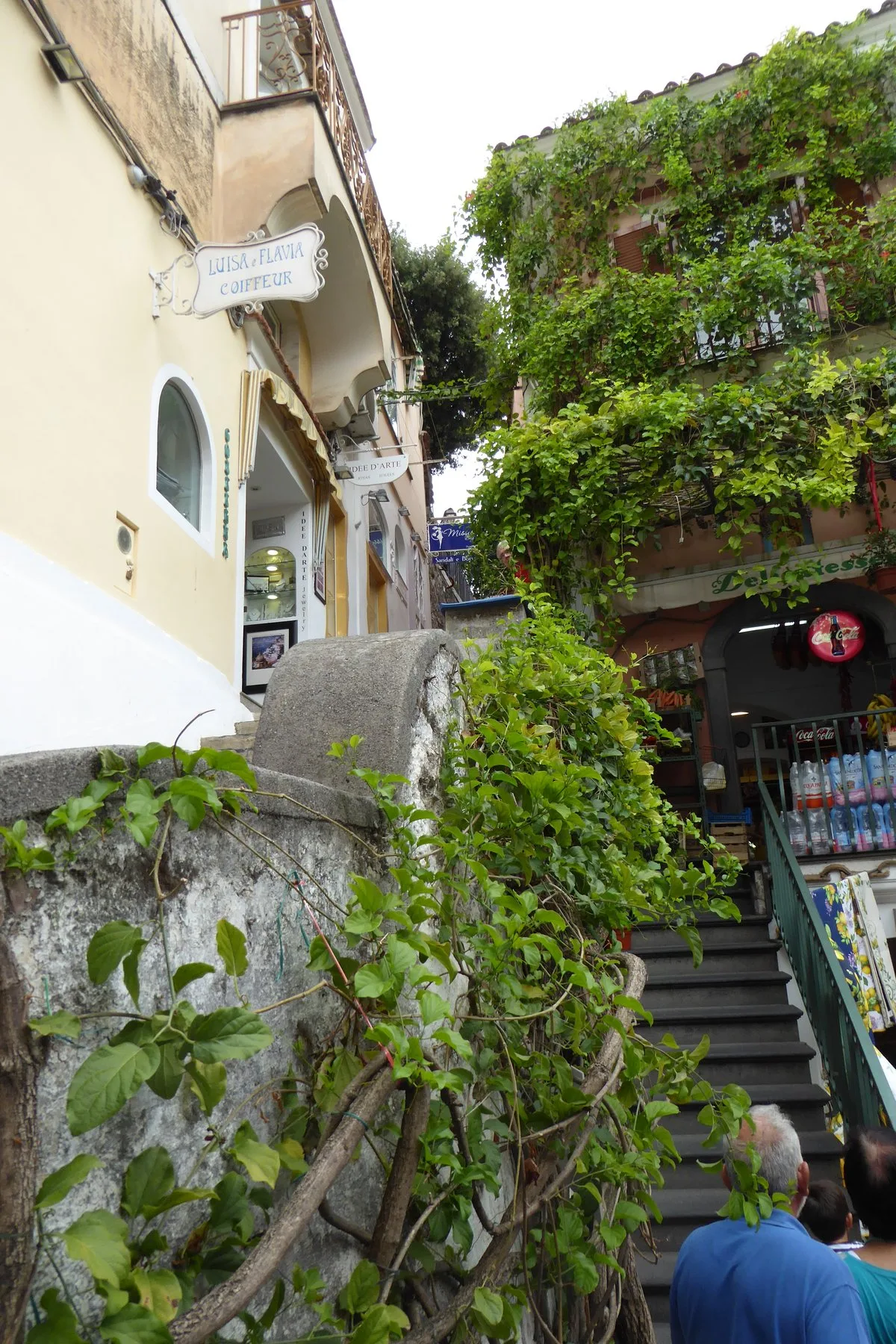
Hostel Brikette's terrace offers open space for yoga, stretching, or resistance band routines with panoramic coastal views. From experience, guests often use the terrace for morning sun salutations around 7am or evening cooldowns after hikes. Quiet hours are 10pm–7am, so save high-impact jumping exercises for daytime. We keep a communal yoga mat in the lounge—ask at reception if you need to borrow it.
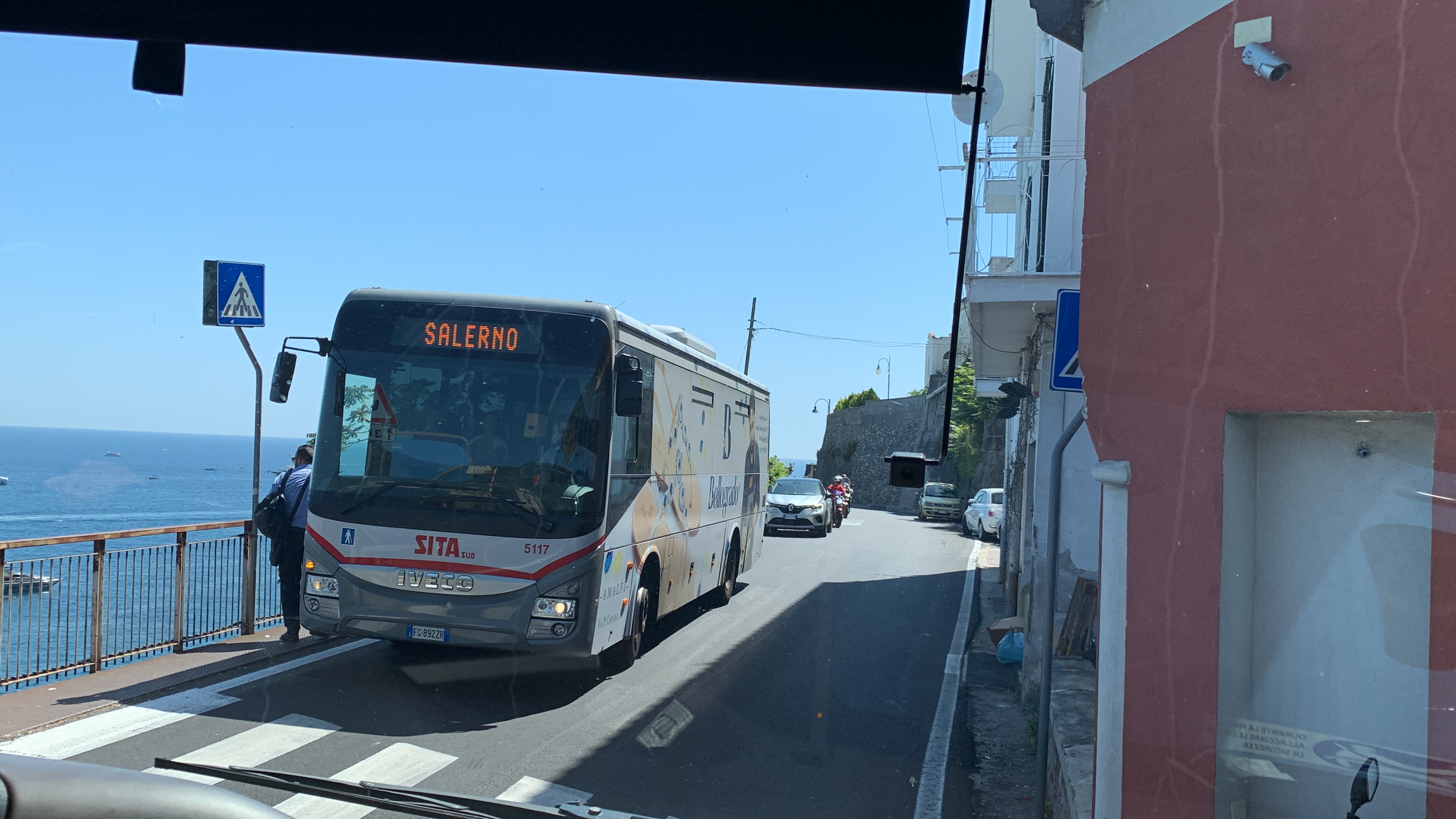
Road jogging: the SS163 coastal road between Positano and Praiano has spectacular views but narrow shoulders and heavy traffic. If you jog here, go at sunrise (before 7am) when traffic is lightest, wear high-visibility gear (a neon tank or reflective vest), and face oncoming traffic so you can step aside when buses pass. Stairs and trails are safer alternatives if road running makes you nervous.
Hiking workouts: trail running & power walks
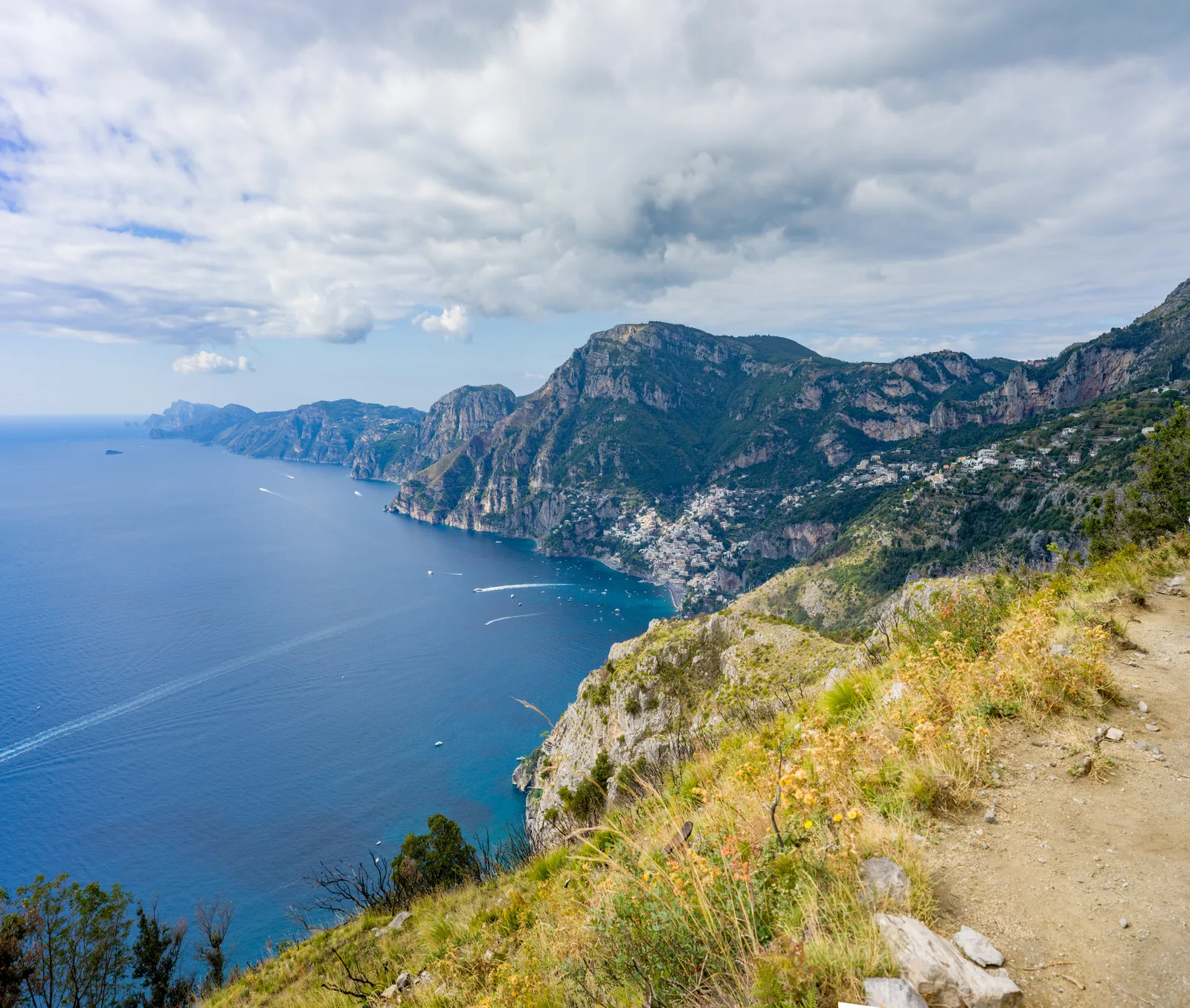
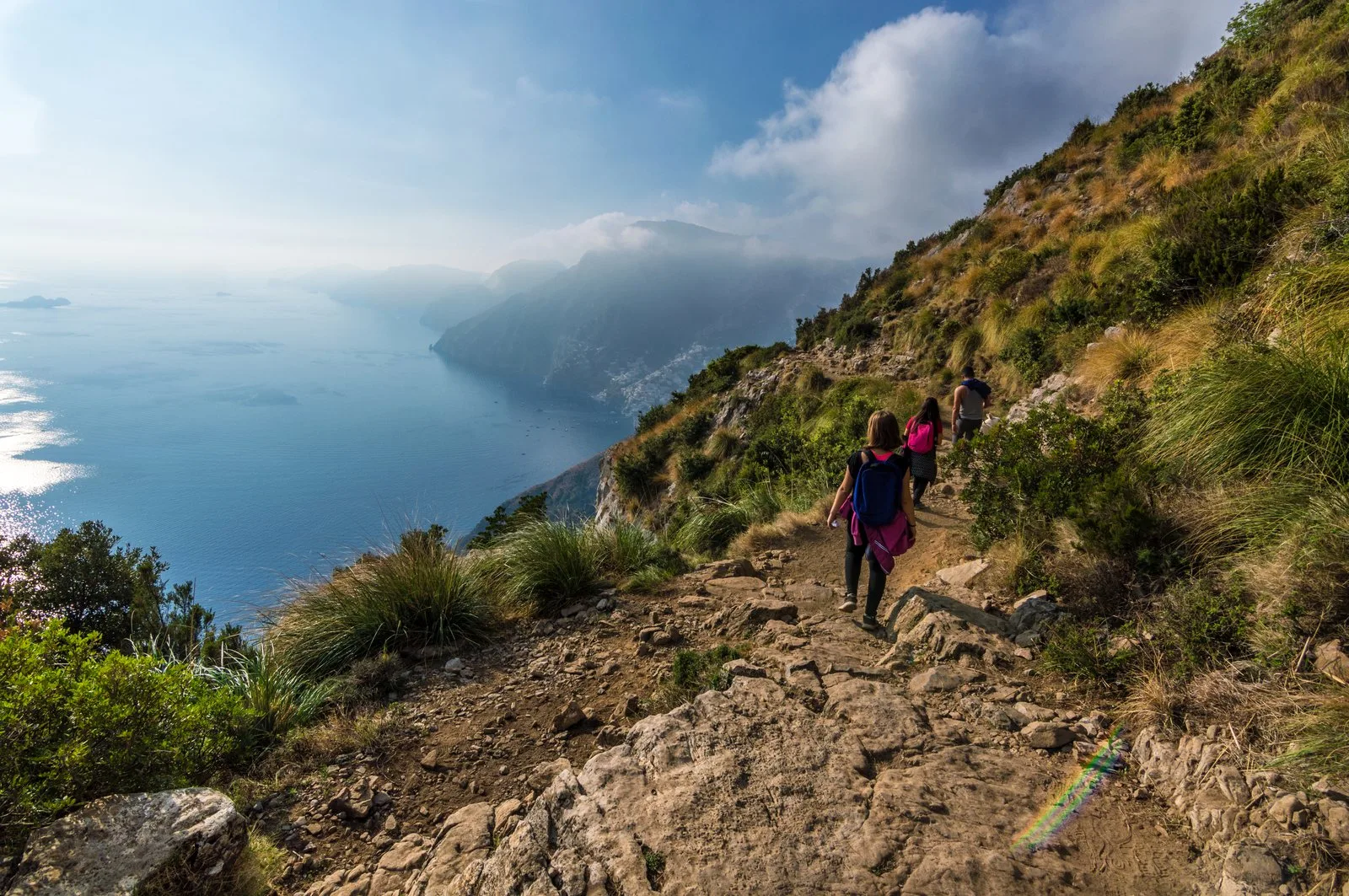
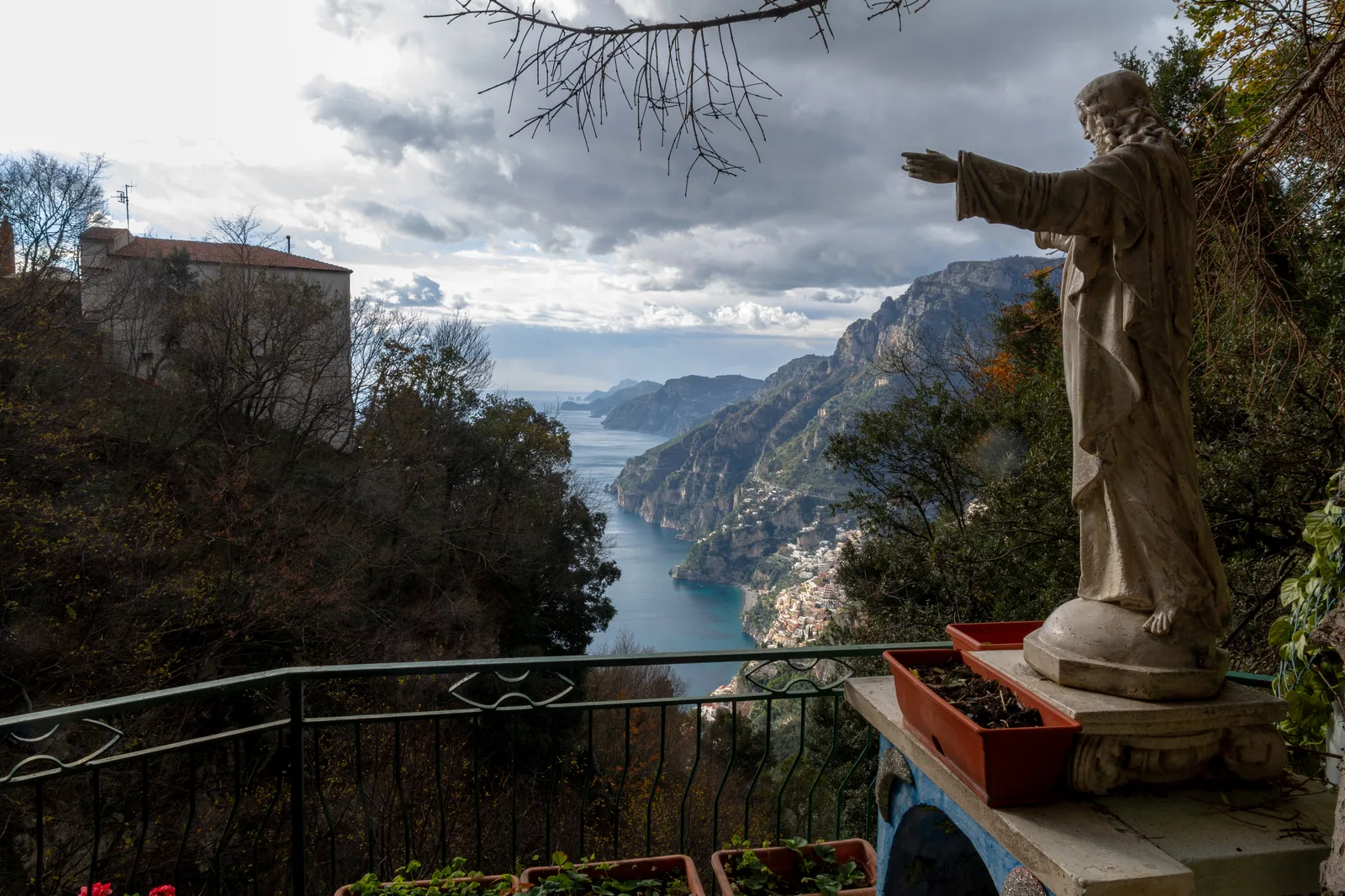
Path of the Gods from Nocelle: 7.8 km / 4.8 mi one-way with 200 m / 656 ft cumulative elevation gain, taking 2.5–3 hours at moderate hiking pace or 1.5–2 hours if you trail-run sections. The initial climb out of Nocelle is steep (perfect for leg strength), then the trail levels out with rolling terrain—ideal for tempo runs. Carry 1 litre of water per person; there are no refill points after Nocelle.
Top of the Mountain trail (Monte Comune): 4.5 km / 2.8 mi round trip from Chiesa Nuova, steep switchbacks, 90 minutes round trip at hiking pace. The ascent averages 12% gradient with sections hitting 20%—excellent for high-intensity interval climbs. From the hostel, we recommend this route for advanced fitness; beginners often find it too demanding and prefer gentler options.
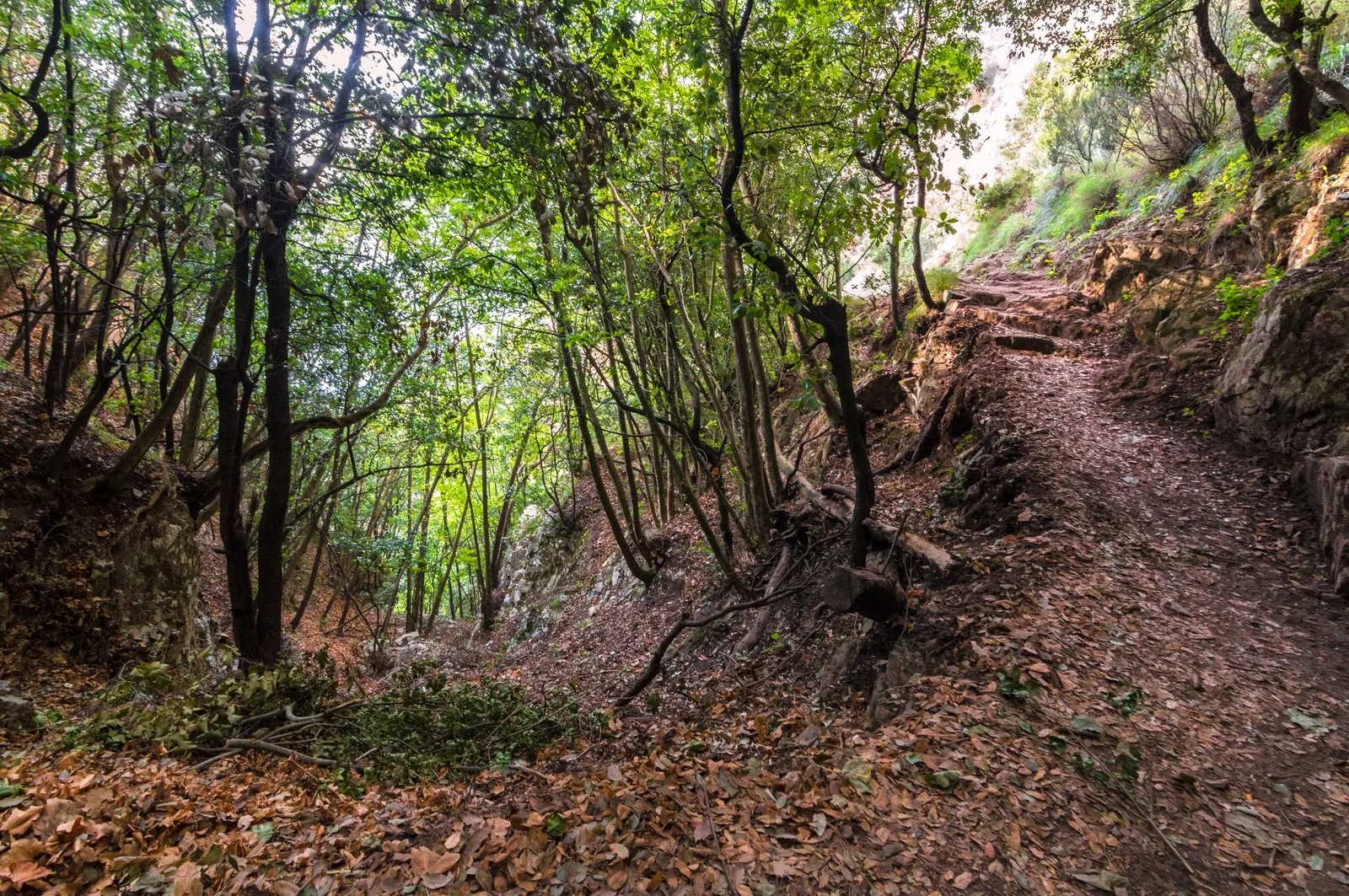
Santa Maria del Castello loop: 7.1 km / 4.4 mi with 629 m / 2,064 ft of elevation gain — rated hard, and harder in practice than the Positano village stairs. The trail starts on stone staircases leaving the village and climbs steeply almost the whole way with little flat relief. Expect uneven stone steps throughout, many of them taller than a standard stair riser, which grinds down legs faster than smooth trail. Budget 3.5–4 hours; it's not a recovery route. Wear trail shoes or hiking boots with ankle support, and carry at least 1.5 litres of water — the climb becomes brutal in summer heat and shaded sections can be slippery.
Trail safety: carry a phone, tell someone your route, and start early (before 9am) to avoid midday sun. Trails can be slippery after rain. Wear trail runners or hiking boots with ankle support; the uneven surfaces cause more ankle rolls than gym floors.
Sea swimming & water sports: free cardio
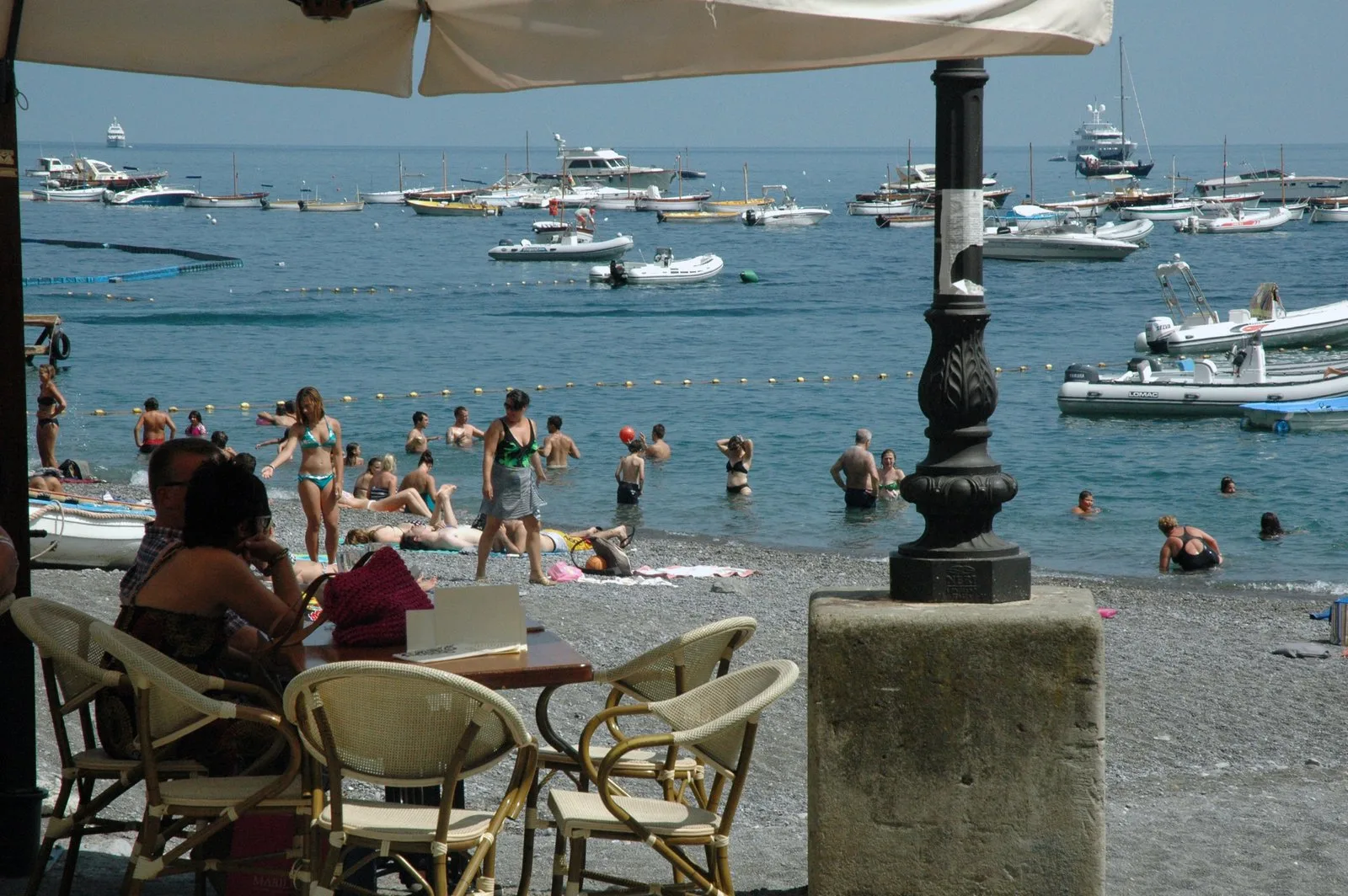
Open-water swim at Fornillo Beach before 9am when motorboat traffic is minimal and the water is glassy. Stay within 200 m of shore unless you're an experienced open-water swimmer; currents can pull you west toward Praiano. A 30-minute swim (roughly 1 km if you maintain 2 km/h pace) burns 250–300 calories and works shoulders, core, and legs with less joint impact than running.
Rent a kayak at Marina Grande (€15–20/hour) for upper-body cardio; paddle west to Arienzo Beach and back (roughly 4 km round trip, 45–60 minutes at moderate pace). Kayaking builds shoulder and back strength while letting you explore sea caves and hidden coves. Book early in summer (July–August) when rentals sell out by 10am.
Winter swimming: sea temperatures drop to 14–16°C (57–61°F) November through March. Wear a 2mm–3mm short wetsuit for sessions longer than 20 minutes to prevent hypothermia. Beaches are far less crowded in winter—you may have Fornillo almost to yourself on weekday mornings. From the hostel, a few hardcore guests swim year-round; they report needing neoprene booties for toe numbness in January and February.
Safety: never swim alone, especially in off-season when beaches have no lifeguards. Check weather forecasts—strong winds (scirocco from the south, tramontana from the north) create choppy seas and make swimming dangerous. If in doubt, skip the swim and do beach circuits instead.
Recovery, hydration & injury prevention
Hydrate constantly: carry a 750 ml / 25 oz reusable bottle and refill at the hostel, public fountains (one near Chiesa Nuova bus stop), or cafés. In summer heat (June–August), drink 500 ml before workouts and another 500 ml during or immediately after. Signs of dehydration include headache, dark urine, and dizziness—common if you're climbing stairs in 30°C+ temperatures.
Replenish electrolytes with citrus (lemons are cheap and available everywhere), granita (Sicilian-style ice with natural salts), or a pinch of table salt in your water bottle. Steep climbs cause higher sweat loss than flat running; you'll need more sodium replacement than you expect.
Stretch calves, hips, quads, and hip flexors nightly—stairs and descents tighten muscles quickly without cooldowns. Spend 10 minutes on a foam roller or tennis ball (available at sports shops in Sorrento if you forgot yours) to release tight spots. From the hostel, we see guests doing evening stretches on the terrace while watching the sunset; it's informal and relaxed.
Rest days: take one full rest day per week. Constant steep climbing strains knees, Achilles tendons, and hip flexors. If your knees feel achy or your calves are rock-hard, take an extra day off and do gentle swimming or walking instead. Pushing through pain leads to tendonitis, which ruins the rest of your trip.
What to pack: lightweight gear essentials
You don't need much equipment, but a few lightweight items add variety and prevent boredom after a week of stair climbing:
Resistance bands (loop bands or tube bands): pack flat, weigh 100–200 g, and enable 20+ exercises for shoulders, back, and glutes. Use them on the terrace or at the beach for upper-body work when your legs need a break.
Skipping rope: compact cardio option for rainy days or if you want quick 10-minute HIIT sessions. Brikette's terrace has enough space, but avoid jumping during quiet hours (10pm–7am).
Travel yoga mat (thin roll-up type): useful for beach planks and terrace stretching. If you skip this, borrow the hostel's communal mat or use a beach towel as a substitute.
Wearable tech (optional): fitness watch or phone with GPS for tracking distance, elevation, and heart rate. Strava and AllTrails apps work well for logging Positano's trails and stairs. Battery drains faster with GPS enabled, so bring a portable charger if you're doing multi-hour hikes.
Don't pack: heavy dumbbells, kettlebells, or bulky gym shoes. Airlines charge overweight fees, and Positano's terrain (stairs, trails, beaches) doesn't accommodate heavy lifting routines anyway.
Tips
- Schedule high-intensity stair or trail sessions for early morning (6–8am) or late afternoon (5–7pm) to avoid midday heat (peak temperatures June–August reach 32–35°C / 90–95°F, making steep climbs dangerous).
- Log workouts in a notes app (Apple Notes, Google Keep, Strava) to stay accountable during aperitivo hours—it's easy to skip training when you're tempted by sunset drinks on the terrace.
- Buddy up: find a workout partner at the hostel to stay motivated. From experience, guests who train together are more consistent and less likely to bail on early-morning sessions.
- Alternate muscle groups: stairs and trails hit legs hard, so mix in upper-body beach circuits or swimming every 2–3 days to avoid overtraining quads and calves.
- Sunscreen and hats: you'll burn quickly on exposed trails and stair routes with no shade. Apply SPF 30+ before workouts and reapply if you're swimming.
- Adjust intensity to the heat: if you're visiting in July or August, cut your usual workout volume by 20–30% until you acclimatize. Heat exhaustion is common among travelers who push too hard in the first few days.
FAQs
Are there gyms in Positano?
Positano has no standalone public gyms. Some upscale hotels (Le Sirenuse, Il San Pietro) have small fitness rooms but rarely sell day passes to non-guests. Your best bet is bussing to Sorrento (30 minutes, €2.50 one-way), where larger fitness centres like Fitness Zone Sorrento offer guest day passes for €15–25 with air-conditioned equipment, free weights, and group classes.
For most backpackers and budget travelers, paying €15–25 plus bus fare isn't worth it when Positano's stairs and trails are free. Save the gym trip for a rest day if you're desperate for treadmills or heavy weights.
Can I swim year-round in Positano?
Yes, but winter sea temperatures drop to 14–16°C (57–61°F) November through March. You'll need a 2mm–3mm wetsuit for sessions longer than 20 minutes to prevent hypothermia. Summer temperatures (June–September) reach 24–27°C (75–81°F) and are comfortable for hour-long swims without neoprene.
Beaches are far less crowded in winter—Fornillo Beach may have only 5–10 people on weekday mornings. No lifeguards patrol in off-season, so never swim alone and check weather forecasts before entering the water.
Is jogging safe on Positano's roads?
The SS163 coastal road has spectacular views but narrow shoulders (often less than 50 cm / 20 inches) and heavy traffic, including buses and delivery trucks. It's not ideal for jogging, but if you do it: go at sunrise (before 7am) when traffic is lightest, wear high-visibility gear (neon tank or reflective vest), face oncoming traffic so you can step aside when vehicles pass, and accept that you'll need to stop frequently.
Stairs and trails are safer, less stressful alternatives. Most hostel guests prefer early-morning stair intervals or trail runs over road jogging.
Where can I stretch or do yoga in Positano?
Hostel Brikette's terrace offers open space with panoramic views—ideal for yoga, stretching, or resistance band routines. Borrow the communal yoga mat from reception if you didn't pack one. Quiet hours are 10pm–7am, so save high-impact exercises for daytime.
Fornillo Beach is quieter than Marina Grande for morning yoga sessions; arrive before 9am when the beach is nearly empty. Some hotels offer drop-in yoga classes (€20–30 per session)—ask at hotel receptions or check local Facebook groups for schedules.
How do I avoid overtraining on Positano's stairs?
Rest one full day per week (no stairs, no trails, just swimming or walking). Constant steep climbing strains knees, Achilles tendons, and hip flexors—overuse injuries are common among travelers who push too hard in the first week.
Warning signs: persistent knee pain, tight calves that don't loosen after stretching, or Achilles tendon soreness. If you notice these, take 2–3 days off and do gentle swimming instead. Better to lose a few training days than injure yourself and ruin the rest of your trip.
What's the best time of day to work out in Positano?
Early morning (6–8am) is optimal: cooler temperatures, empty stairs and trails, and you finish before breakfast. Late afternoon (5–7pm) also works if you prefer sleeping in, but summer heat lingers until 6pm and stairs are busier with tourists heading to dinner.
Avoid midday (11am–3pm) in summer—temperatures hit 32–35°C (90–95°F), stairs offer no shade, and the risk of heat exhaustion spikes. If you can only train midday, stick to swimming or shaded beach circuits.